Creating the Ideal Tailored Vegetable Boxes: A Step-by-Step Approach
Developing specialized fruit and vegetable boxes requires a strategic approach. Experts must evaluate environmental impact, practicality, and visual appeal. Choosing the appropriate components is crucial for preserving quality and supporting eco-friendly methods. Additionally, size and shape can greatly impact usability and shipping effectiveness. Effective graphics strengthen company recognition, while comprehensive testing guarantees durability. Grasping these components will uncover vital knowledge into producing remarkable packaging approaches that resonate to consumers. What follows is essential to accomplishing those goals.
Picking the Ideal Resources for Custom Produce Boxes
When considering materials for custom produce boxes, it is crucial to examine both functionality and sustainability. The selection of material significantly determines the box's strength, weight, and ability to protect the contents. Common materials feature corrugated cardboard, which delivers strength and is environmentally recyclable, making it a popular choice for green-minded businesses. Biodegradable options, such as molded pulp or plant-based plastics, also promote sustainable practices while delivering adequate protection for delicate produce.
Additionally, moisture protection is important for keeping freshness intact, moving some producers to consider specially processed substances or specialized coatings. The aesthetic appeal of the box warrants attention, as branding and visual presentation can shape customer attitudes. Ultimately, the proper selection should maintain equilibrium between preserving the goods, satisfying consumer preferences, and adhering to environmental standards, making certain that usefulness and environmental responsibility are central to the design process.
How to Identify the Right Size and Shape for Functionality?
When determining the size and shape of custom produce boxes, thorough evaluation of produce dimensions is essential for proper storage. Additionally, considerations for movement and transportation can impact the box design, guaranteeing ease of movement. Maximizing shelf space usage further improves functionality, allowing for effective presentation and organization.
Evaluate Produce Measurements Carefully
Determining the proper proportions for produce boxes is important for smooth operations and productivity. Careful measurement of produce dimensions is essential, as it confirms that items fit tightly without extra room that might cause damage during warehousing and delivery. Made-to-order containers need to support multiple shapes, from soft berries to oversized produce, while maintaining robustness. Additionally, the length and depth of the boxes should support proper layering and inventory control, making the best use of space in distribution centers. A expertly crafted container not only protects the produce but also enhances consumer appeal for shoppers. Ultimately, meticulous planning of dimensions supports waste prevention and improving customer journey in the logistics network.
Think About Managing Handling and Transport
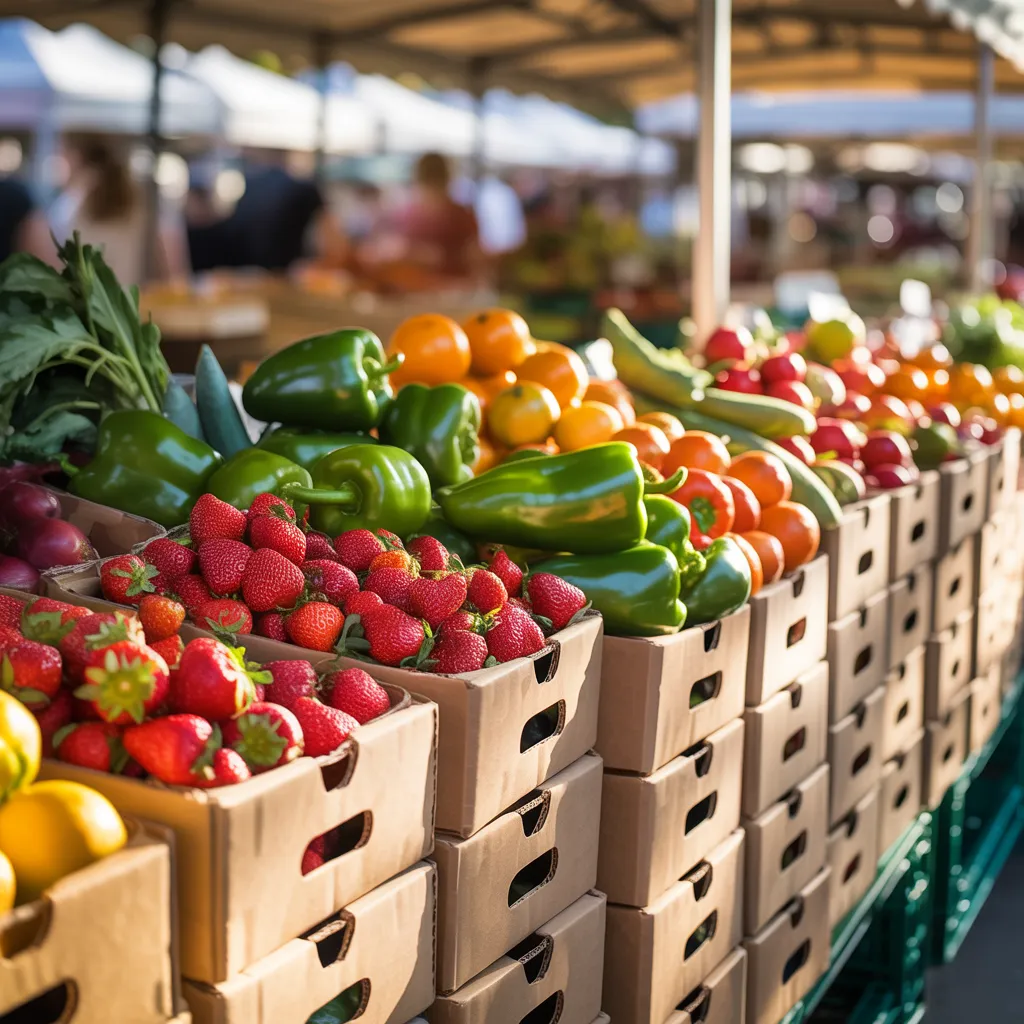
Handling and logistics considerations play a significant role in ascertaining the appropriate size and shape of tailored agricultural boxes. The dimensions must accommodate the items without surplus room, this would lead to shifting and deterioration during transport. Smaller, compact boxes facilitate more straightforward handling, while bigger containers may become necessary when handling bulkier items. Additionally, proper ergonomics proves essential; handles and access ports must be positioned deliberately placed so as to provide pleasant lifting and carrying. The configuration of the box also influences stacking along with stability, ensuring where products keep secure. Ultimately, thoughtful review of these considerations enhances the efficiency of transport, lessens goods loss, and supports the overall quality of the produce commencing at orchard to purchaser.
Improve Retail Space Management
Efficient shelf space usage depends on selecting the right size and shape of tailored fruit and vegetable containers. Product planners should consider the measurements of the storage racks as well as the types of fruits and vegetables being kept. Rectangular boxes often optimize space efficiency, enabling for easier arrangement and organization. On the other hand, unique shapes can enhance aesthetic attractiveness but may lead to wasted space if not thoughtfully designed.
It's important to examine the product rotation speed; quick-moving products might gain from smaller, conveniently positioned containers. Moreover, utilizing adaptable or modular frameworks can facilitate various dimensions of merchandise while enhancing display organization. By stressing practical design with visual appeal, enterprises can construct a functional and attractive display that improves both ease of access and product prominence.
How to Generate Visual Content That Hold Engagement?
Compelling artwork can reshape a simple custom produce box into a beautiful showcase that draws attention. To reach this, designers should start by picking a color palette that conveys the freshness and brightness of the produce. Luminous, captivating colors can awaken feelings of freshness and health, compelling consumers to take a closer look.
Using bold typography is also essential; readable typefaces can effectively communicate key details while enhancing aesthetic quality. Furthermore, using premium photographs of the produce can create an immediate connection, displaying the product's quality and attracting potential buyers.
Furthermore, adding distinctive designs and visuals can help differentiate the brand in a crowded market. Uniformity in design elements, such as logos and taglines, reinforces brand identity. Ultimately, a combination of innovation and precision in graphic design can greatly elevate the impact of custom produce boxes, making them become prominent on shelves.
Eco-Friendly Practices for Custom Produce Box Packaging
An growing amount of businesses are introducing eco-friendly practices for custom produce box packaging, acknowledging its importance in today's environmentally conscious market. These practices often involve the use of biodegradable materials, such as recycled paper and plant-based plastics, which minimize environmental impact. Companies are also focusing on sustainable sourcing, confirming that materials are obtained from responsibly managed forests or suppliers who champion environmental stewardship.
Also, many brands are choosing simple approaches that lower waste while still successfully showcasing their products. This method not only appeals to eco-minded consumers but also assists with decreasing production costs. Moreover, businesses are progressively implementing streamlined manufacturing processes that restrict energy consumption and waste generation. By integrating these sustainable practices, companies not only improve their brand image but also contribute positively to the planet, matching their operations with a sustainable future.
Examine Your Custom Produce Box Design
Evaluating the design of custom produce boxes is a important step in verifying they meet both aesthetic and operational requirements. This process generally entails examining aspects like durability, size, and usability. First, test versions should be built to evaluate the box's build quality, ensuring it is able to endure delivery and warehousing without compromising the contents.
Afterwards, performance tests can be undertaken to ascertain how without difficulty the boxes can be opened, closed, and stacked. Opinions from intended users can be invaluable in this juncture, revealing viewpoints into the box's practicality.
Additionally, the design's visual appeal should be tested through focus groups or surveys, assessing consumer feedback to branding elements, color palettes, and overall presentation.
Ultimately, comprehensive evaluation enables designers to improve the box, ensuring it not only appeals to customers but also adequately safeguards and presents the produce within, striking the right equilibrium between form and function.
Effectively Promoting Your Personalized Produce Boxes
Effective promotion of custom vegetable containers requires a strategic approach that underscores their distinctive advantages and value. Businesses must prioritize identifying their target audience, whether they are local farms, grocery stores, or individual consumers. Taking advantage of social media platforms can amplify brand awareness, showcasing the boxes' appearance and functionality through compelling visuals and storytelling.
Additionally, teaming up with neighborhood advocates and farming professionals can enhance standing and expand customer base. Delivering promotions or discounts during seasonal peaks can capture initial customers and support repeat business.
Additionally, emphasizing sustainability and eco-friendliness in promotional content can appeal to environmentally conscious consumers. Offering detailed information about material composition and the advantages of tailored packaging solutions can better distinguish the product in a competitive market.
In the end, a detailed promotional approach that merges digital and grassroots undertakings will efficiently promote custom produce boxes, engaging a wide-ranging clientele and increasing sales.
Common Questions Posed Often
What Are the Expenses Connected With Custom Produce Box Creation?
Expenses involved in custom produce box design include materials, printing, labor costs, and shipping. Furthermore, design services and order minimums can alter total expenditures, causing variable pricing based on exact requirements and scale of production.
What Duration Is Needed to Make Custom Boxes?
Crafting customized boxes usually demands two to six weeks. Determinants that influence this timeline comprise design complexity, materials sourcing, and production capability, each of which might impact delivery schedules and lead times.
Can I Purchase a Compact Shipment of Made-to-Order Produce Boxes?
Yes, modest amounts of tailored vegetable containers can typically be ordered. Many vendors offer minimum order quantities, enabling companies or people to acquire tailored packaging solutions without having to pledge to large amounts at first.
What Frequent Blunders Should You Dodge in Made-to-Order Box Design?
Common errors in custom box design include overlooking functionality, ignoring brand consistency, underestimating material quality, not considering target audience preferences, and disregarding environmental impact. Each aspect is essential for successful packaging and customer satisfaction.
How Do I Ensure That My Boxes Meet Food Safety Standards?
To ensure boxes are food-safe, one must select materials approved for food contact, insightful guide prevent harmful inks and adhesives, keep cleanliness during production, and frequently check for compliance with health regulations and safety standards.